
Searching Pike County Criminal Dockets
AlacourtACCESS, marketed as Just One Look is the paid route into Alabama trial records, and it includes criminal cases from Pike County Circuit and District Courts. A search runs $9.99 whether or not it hits. That fee buys one case detail on a name search; pulling a second detail costs the base amount again. Searching by case number is the more precise route, so copy every mark and suffix from a court notice before you pay.
The state's docket/settings list is another way to spot a hearing, though it warns that some cases are missing. Phone works too: the Pike County Circuit Clerk can be reached at (334) 566-5113. The public file sits at 1318 North Three Notch Street in Troy, open weekdays from 8:00 a.m. to 5:00 p.m. A mailed request should spell out the case number, the style, the document and its date, plain versus certified, your contact details, and a return envelope. Verify the fee amount and payee before any money goes out.
- Identify Circuit, District, Troy Municipal, or Brundidge Municipal Court from the notice, citation, or known charge.
- Choose a name or exact case-number search in Just One Look and review the stated price before submitting.
- Open the matching detail and read its Court Setting Dates, Actions and Rulings, and Case Action Summary.
- Match each charge to its own disposition and locate the newest order or setting entry.
- Ask the correct clerk for the official file, signed order, transcript route, or certified copy when the text matters.
Pike County Criminal Docket Portal
Buy a detail and it arrives in report blocks. Court Setting Dates lists what is scheduled. Court Actions and Rulings sums up judicial activity. Party Information and Details names the public roles. The Case Action Summary is a chronological register. That is what most people actually mean by a docket. Financial Information and Costs may show fines, payments, balances, or bond-related entries. Images and attachments cost extra beyond the detail.
Remember that a docket line is not the filed paper itself. An entry noting that an order was entered proves the event was logged, nothing more. The full signed order is a separate thing. Just One Look prices images at $5 for the first 20 pages. Then $0.50 per page after that. A purchased snapshot stays in account history at least 30 days. It only reflects the purchase date. So later action calls for a new search or monitoring. The portal itself notes that the official record remains with the proper clerk.
For a wider view of search methods, the Pike County case lookup breaks down how Alabama's case-number and name routes differ.
Inside a Pike County Criminal Docket
The header tells you which case you have. It lists court, filing dates, style, and status. Party fields separate the State or municipality from the defendant and name counsel where public. Charge fields can carry offense text, count, statute, class, and a result. Event lines follow the life of the prosecution. They run from complaint and warrant through bond, counsel appearance, indictment, plea, motion, order, reset, trial, sentence, or appeal. Read the whole sequence in context before concluding anything.
| Case number | A Circuit Criminal number can follow a pattern like CC-2026-000123.00; copy the actual notice exactly. |
|---|---|
| Charge | Offense description, count, statute or classification when entered, plus a separate outcome for each count. |
| Settings | Arraignment, preliminary hearing, docket call, motion hearing, plea, trial, sentencing, or review dates. |
| Actions | Filings and requests appear alongside later orders; a motion entry alone does not show that the judge granted it. |
| Disposition | Dismissed, nolle prosequi, acquitted, convicted, transferred, or another court-entered result with its date. |
| Documents | Available images must be purchased separately, while restricted material stays unavailable without authority. |
The Alabama judiciary's criminal procedure library gathers the governing criminal rules into one official index.
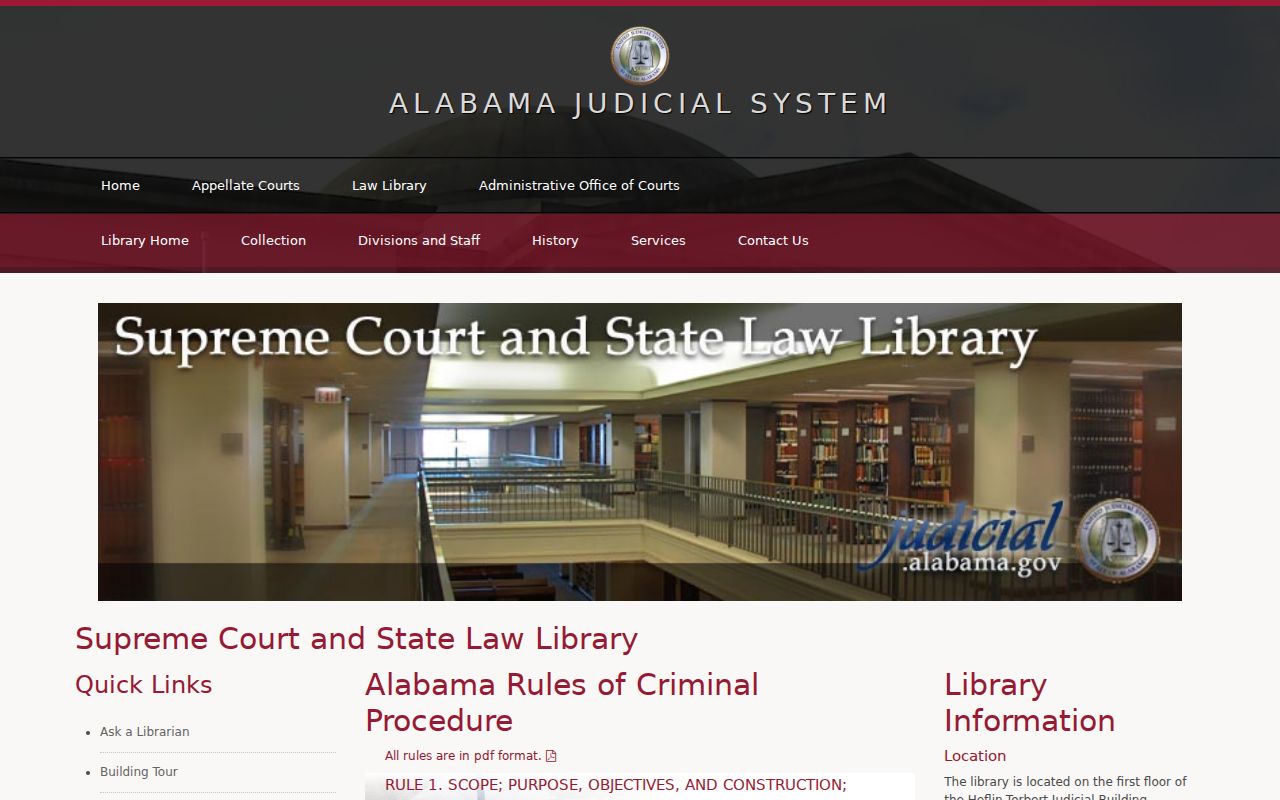
Those rules explain the procedure behind each dated event on a Pike County criminal docket.
Pike County Criminal Docket Codes
Alabama case prefixes let you identify a docket before paying for a search. CC means Circuit Criminal. DC means District Criminal, and TR means traffic. A felony can start at the District level. It opens with a complaint or preliminary activity. It may then pick up a Circuit Criminal number after grand-jury action. So two numbers may cover one course of events without being duplicates.
- Nolle prosequi
- The prosecution does not continue the charge at that time, as formally entered in court.
- Disposed
- The court entered an outcome. The word alone does not reveal whether that outcome was dismissal, plea, acquittal, conviction, or transfer.
- Bound over
- The felony process moves forward from the lower-court stage toward Circuit Court action.
- FTA or capias
- A nonappearance entry and related court process. Contact the court promptly for current instructions.
- Bond forfeiture
- An entry tied to bond conditions or an appearance failure, not a finding on the charge itself.
Charges are allegations, not outcomes. Even a status marked disposed needs the disposition for each count, plus its date, before you read it as a result.
How a Criminal Case Moves
A Pike County felony often starts small. It opens with a complaint or warrant in District Court. Arrest, bond, initial appearance, and a preliminary hearing may come next. Grand-jury action can produce an indictment. It carries a fresh Circuit Criminal number. From there, Circuit entries track arraignment, plea, discovery filings, motions, orders, docket calls, trial or plea, adjudication, sentence, post-judgment work, and appeal. A misdemeanor usually stays in District Court. An appeal can move it.
Docket flow: Complaint or warrant › Initial appearance › Preliminary stage › Grand jury or District disposition › Arraignment › Pretrial › Plea or trial › Disposition › Sentencing
A request alone changes nothing on the schedule. A motion for continuance must be granted, and the newest order or notice controls. If the Case Action Summary and the active setting block disagree, call the clerk.
Pike County Criminal Docket Motions
Filed and granted are not the same thing. A motion, from either side, first shows up as a request. The judge's later order answers that. It tells you whether the motion was granted, denied, set for hearing, or left pending. The same logic covers a continuance. Filing one does not erase your duty to appear at the existing setting.
Read entries in pairs. Match a motion with the later ruling, and match an old setting with the newest reset or signed notice.
Missing a ruling? Find the motion title and filing date in the docket first. Then check the attachment list. Or ask the Pike County Circuit Clerk whether the signed order is public and imaged. A web printout is not a certified order. The clerk can issue a certified copy when one exists. For what was said in court, request a transcript through the court reporter the judge or clerk identifies.
Courts That Hold Criminal Dockets
Two courts split the criminal work in Pike County. District Court handles misdemeanors, state traffic cases, warrants, and the early steps of felony prosecutions, while Circuit Court takes the felony trials and any criminal appeals. One office keeps the dockets for both. The Pike County Circuit Clerk holds the records for each court, so there is no separate county-clerk and district-clerk split to navigate. Even so, knowing which court level heard the matter matters when you run a docket search.
| Venue | Criminal work | Access route |
|---|---|---|
| Pike Circuit Court | Felonies and appealed matters | Just One Look or Pike County Circuit Clerk |
| Pike District Court | Misdemeanors, warrants, early felony stages, state traffic | Just One Look or Pike County Circuit Clerk |
| Troy Municipal Court | Troy ordinance and municipal cases | Troy Public On-Line Record Search or (334) 566-4248 |
| Brundidge Municipal Court | Brundidge ordinance and municipal matters | (334) 735-2887 or court@brundidgeal.gov |
AlaFile is built for registered filing parties. It moves documents into the workflow used by the clerk and the judge. For a member of the public reading a Pike County criminal docket, it is not the standard tool. Municipal cases sit apart, too. Troy and Brundidge keep their city court files in their own offices. A county portal search will not catch them.
Pike County Criminal Docket Numbers
Fiscal year 2022 brought the Alabama Administrative Office of Courts count: 1,029 filings in Pike Circuit Court. Criminal matters accounted for 56 percent of that intake. Civil was 28 percent, and domestic was 16 percent. Dispositions in Circuit Court that same year totaled 1,118. Those are annual workload numbers. They say nothing about how any one case ended, and they do not prove the older docket work was finished.
With criminal cases making up more than half the Pike County criminal docket load, an exact case number, the right court level, and a setting date will save real time. The share alone tells you nothing about delay or outcome in any single case.
Missing Pike County Criminal Docket Results
A blank search result is not the end of the story. No hit online does not mean no criminal matter exists. It also does not mean a record was erased. The spelling may be off. A suffix may be missing, or the search may have gone to the wrong court. A new filing might not be entered yet. The case could belong to the Troy or Brundidge municipal court. Or the law or a court order may limit access. Start with the spelling and the full case number. Then confirm the court and county. Check the setting list before you call the clerk with jurisdiction. Anyone may inspect public files at the Pike clerk counter. Staff can pull older or non-imaged papers if you give exact details. For Troy, try the city record search or call the court. For Brundidge, call or email the municipal office. Brundidge offers no official anonymous docket portal. Note: Just One Look is a paid convenience copy. The file the court clerk controls remains the official record.
Sealed Dockets and Public Access
Most routine criminal dockets in Pike County Circuit and District Court can be inspected. The clerk provides that access. Many details can also be purchased online. Public access has limits, though. Remote screens do not show every field or every case. Juvenile matters, grand-jury material, sealed files, confidential information, and court-restricted records may all be withheld. Getting access to a withheld item can require a court order or other legal authority. When a docket search comes up empty, the failure alone explains nothing about why. One written limit is clear. The official protection-order privacy provision bars protected addresses and telephone information from public clerk documents.
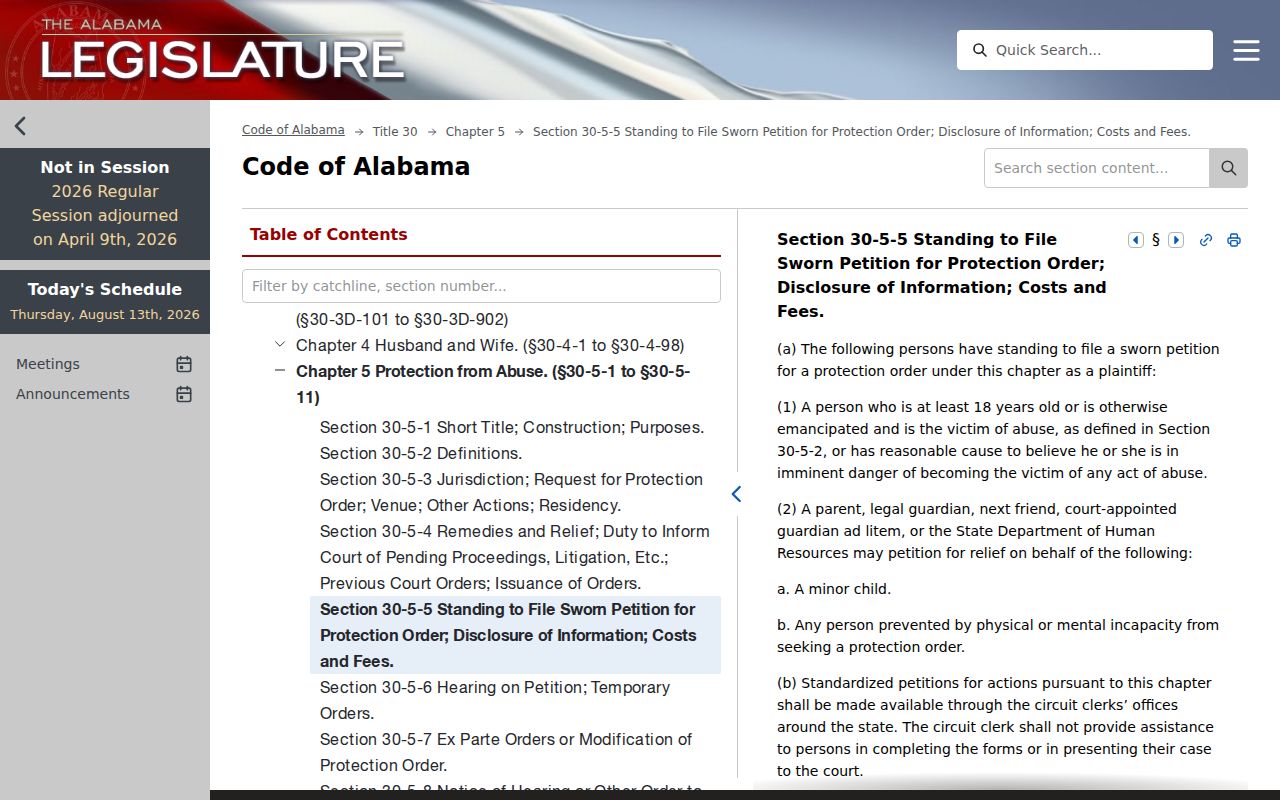
That statute shows how a public docket can stay open while certain sensitive fields stay hidden. The case remains visible even when the protected details are not.
Key access rules:
Ala. Code § 36-12-40 supports inspection and copying of public writings unless another law limits access.
Alabama Rule of Judicial Administration 30 preserves free inspection of open court files and bars release of sealed, exempt, or restricted files without authority.
Alabama's court-record privacy rules, effective in 2025, govern access modes and confidential information.